 Team Tudum
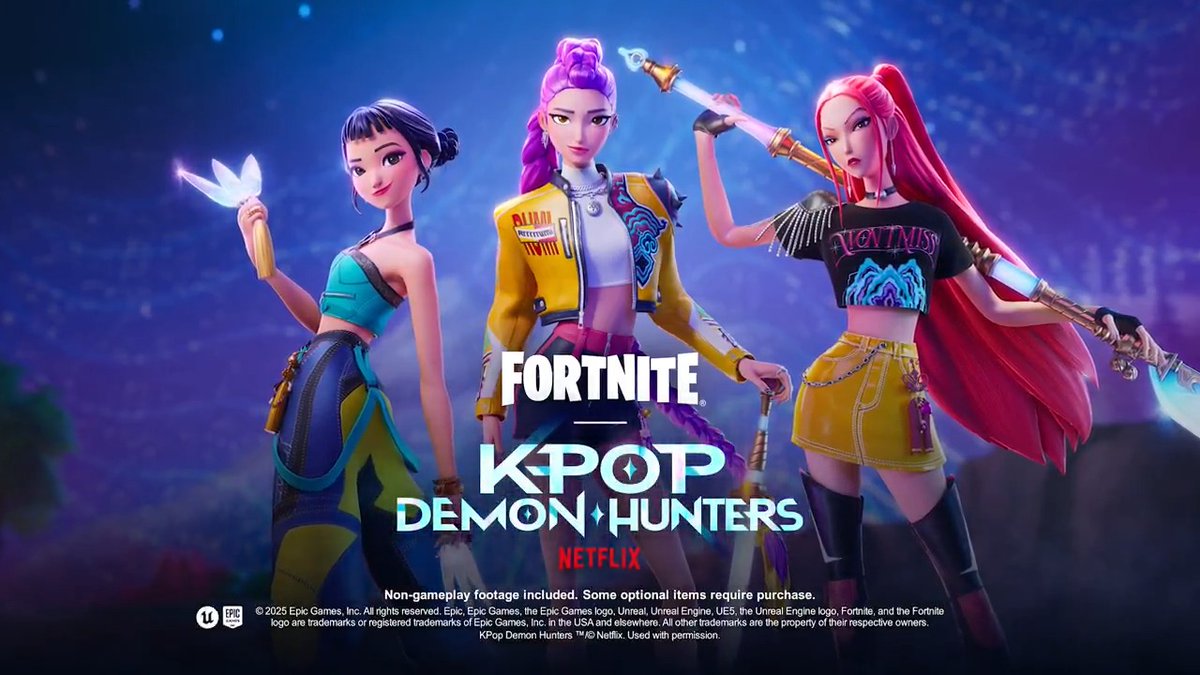
When KPop Demon Hunter quietly landed on Netflix, it didn’t arrive with the weight of a long-running franchise or the safety net of a familiar IP. Instead, it leaned into something riskier: a collision of global pop culture forces. K-pop fandom, stylised action cinema, fantasy mythology, and OTT-era storytelling came together in a film that felt designed for the streaming age—borderless, genre-fluid, and intensely visual.
What followed was a steady build of audience curiosity. Clips began circulating. Fan edits appeared across social platforms. Songs from the film found their way into playlists. And certain scenes—crafted with precision, rhythm, and spectacle—started to define the movie’s afterlife online. In today’s streaming ecosystem, that matters. Memorable scenes drive repeat viewing, algorithmic discovery, and cultural relevance long after release.
For entertainment watchers in India and beyond, KPop Demon Hunter is a case study in how Netflix is experimenting with global storytelling—where music, identity, and action are inseparable.
A New Kind of OTT Action Film
At its core, KPop Demon Hunter is built around contrast. The polished, camera-ready world of K-pop idols exists alongside shadowy mythologies and supernatural combat. This tension is what makes the film’s standout scenes work so effectively.
Unlike traditional action movies that rely on brute force or realism, KPop Demon Hunter treats combat as performance. Fight choreography borrows from dance. Camera movement mirrors stage lighting. Even silence is used strategically, often followed by explosive sound design that feels closer to a concert drop than a gunshot.
This approach reflects a broader trend on streaming platforms: content designed not just to be watched, but to be replayed, clipped, and shared. Netflix has increasingly leaned into this style across genres, and KPop Demon Hunter fits neatly into that evolution.
The Performance-Fight Hybrid That Fans Can’t Stop Rewatching
One of the most discussed sequences in the film is the first major demon encounter staged during a live performance. What could have been a straightforward action reveal becomes something more layered.
The scene unfolds with a flawless idol routine—precise choreography, synchronised movement, blinding stage lights. Slowly, the tone shifts. Subtle visual glitches appear. Background dancers move a fraction too late. The music distorts. Then, without warning, the performance collapses into combat.
What makes this scene resonate is its metaphorical weight. It reflects the dual lives of idols, the pressure of perfection, and the idea that something darker often hides beneath spectacle. Fans responded strongly to this reading, particularly in online discussions where viewers linked the scene to real-world conversations about the entertainment industry.
From a filmmaking perspective, it’s also one of the movie’s most technically impressive moments—seamlessly blending dance, VFX, and action without breaking immersion.
Character-Driven Action Over Pure Spectacle
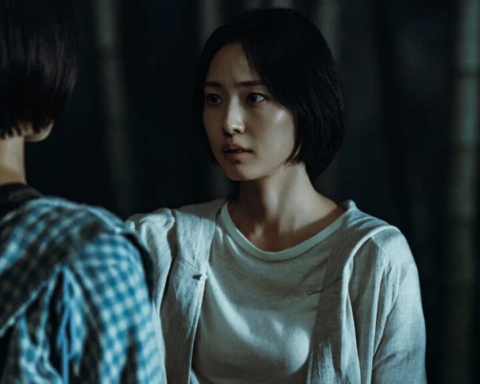
Another reason certain KPop Demon Hunter scenes linger is the emotional grounding behind the action. Midway through the film, a confrontation between two central characters—set in a stripped-back, almost empty space—stands out precisely because it avoids excess.
There are no crowds. No elaborate lighting. No music cue to heighten the drama. Instead, the scene relies on dialogue, restrained movement, and silence. It reveals fractures within the group and raises questions about trust, identity, and sacrifice.
In the OTT landscape, where binge-watching can often flatten emotional beats, moments like this slow the viewer down. They invite reflection rather than adrenaline. For many fans, this scene shifted the film from “stylish genre experiment” to something more personal.
Why the Action Works in the Streaming Era
KPop Demon Hunter understands its medium. The action scenes are designed for multiple viewing contexts—TV screens, laptops, and phones. Close-ups are sharp. Wide shots are composed to survive compression. Colour grading remains consistent even on smaller displays.
This matters more than ever. According to industry trends, a significant portion of Netflix’s global audience consumes content on mobile devices. Films that don’t account for that risk losing impact. KPop Demon Hunter doesn’t make that mistake.
Several high-energy sequences—particularly those involving group combat—have been widely shared as short clips, helping the film reach audiences who may not have initially planned to watch it. That kind of organic discovery is invaluable in today’s crowded streaming environment.
Music as Narrative, Not Background
Perhaps the film’s most rewatchable moments are those where music isn’t just accompaniment but storytelling itself. In one late-film sequence, a song evolves as the battle progresses—starting as a familiar pop track before darkening in tone, tempo, and instrumentation.
The shift mirrors the characters’ internal journey. Victory comes at a cost. Confidence gives way to resolve. By the time the track ends, it feels earned rather than manufactured.
This integration of music and narrative aligns with how global audiences now engage with films. Soundtracks live beyond the screen, extending a movie’s lifespan across streaming platforms, social media, and live events. KPop Demon Hunter clearly understands that ecosystem.
Editorial Perspective: Why This Film Matters Now
What KPop Demon Hunter ultimately represents is Netflix’s ongoing recalibration of what “global” content means. It’s not about exporting one culture to another. It’s about creating hybrid stories that feel native to multiple audiences at once.
For Indian viewers—already deeply engaged with music-driven cinema and stylised action—the film feels familiar without being derivative. For global K-pop fans, it offers fantasy without reducing the genre to novelty. And for the OTT industry, it signals a willingness to back projects that don’t fit traditional boxes.
As streaming platforms compete not just on volume but on cultural impact, films like this show how risk can translate into relevance.
FAQs
What platform is KPop Demon Hunter streaming on?
KPop Demon Hunter is available exclusively on Netflix.
Is KPop Demon Hunter a standalone film or part of a series?
As of now, it is a standalone movie, though fan interest has sparked speculation about possible expansions.
Who is the target audience for KPop Demon Hunter?
The film appeals to K-pop fans, action-movie viewers, and OTT audiences interested in genre-blending stories.
Has Netflix hinted at a sequel or spin-off?
Netflix has not officially announced a sequel, but the film’s reception keeps the conversation open.
Why is the film trending on social media?
Key scenes combining music, action, and visual storytelling have gone viral, driving organic engagement.
Closing Thoughts
KPop Demon Hunter may not have arrived as a conventional blockbuster, but its most memorable scenes prove that cultural impact doesn’t always announce itself loudly. Sometimes, it builds through replays, reactions, and conversations—exactly the way modern streaming hits are made.
As OTT platforms continue to blur the lines between music, cinema, and fandom, films like this point to where entertainment is heading next. For more industry-driven analysis, cultural insights, and deep dives into streaming’s biggest moments, readers can explore the growing slate of stories on Tudum India, where the focus remains firmly on what moves audiences—and why.